High blood pressure 101: What to know about hypertension

Get the facts on high blood pressure. Treating it could be a life-saver.
Blood pressure. It’s one of four vital signs taken at most visits to your doctor’s office. It’s even taken at dentist visits.
Why?
It’s a quick and painless way to check a key marker of health. A reading that’s too high or low gives your doctor a clue that something might need a closer look.
“It’s good to know your own ‘baseline’ reading. You can help your healthcare provider know what’s ‘normal’ for you,” says David Saenger, MD, a PeaceHealth cardiologist in Springfield, Oregon.
High blood pressure isn’t just a vital sign -- it’s a condition to treat
If your readings are routinely high, then it’s not just a vital sign. It could also be a condition known as hypertension and that needs to be treated.
Untreated high blood pressure can be caused by or lead to serious conditions.
“Hypertension is known as the ‘silent killer’ because most patients who have it, don’t have any symptoms until they have a stroke or heart attack,” says Dr. Saenger.
What to know about blood pressure
Here are a few important facts about blood pressure and hypertension:
1. Doctors have been measuring blood pressure for more than 100 years. Today, you can use your smart phone or wearable device to do the same. Healthcare offices typically use a manual cuff and stethoscope or a digital blood pressure reader.
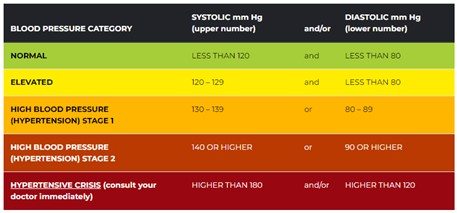
2. Blood pressure readings have two numbers. The first (top) number is systolic. It represents the pressure when your heart is contracting. The second number is diastolic. This represents the pressure when your heart relaxes.
“Most of the time, doctors just follow the systolic pressure,” says Dr. Saenger, “The diastolic blood pressure is real, but it is very hard to measure and often inaccurate.”
3. Experts consider a “normal” blood pressure reading to be less than 120/80. That is less than 120 systolic mm Hg and less than 80 diastolic mm Hg. If on two or more occasions your readings are higher than these, you might have hypertension. If so, your doctor may recommend changes to your diet, exercise and, if necessary, medication(s), such as ACE inhibitors, thiazide diuretics or calcium channel blockers, among others.
Studies have shown that there is a significant benefit from aggressive blood pressure treatment to prevent stroke and heart attack, he says.
New targets are to get the systolic reading below 130, even in those 60 or older.
“With patience and sometimes a trial of different medications, getting the BP close to 120 systolic is an achievable goal,” says Dr. Saenger.
(Do you wonder what “mm Hg” means? It’s a short way of expressing an old way that blood pressure was measured a long time ago. It stands for “mercury 1 millimeter high at 0 degrees C and under the acceleration of gravity.”)
4. You might have high blood pressure and feel no symptoms. In fact, most people with the condition don’t know they have it. Those who do feel symptoms report the following:
- Headaches
- Lightheadedness
- Vertigo (dizziness)
- Tinnitus (ringing in the ears)
- Altered vision
- Fainting
5. Hypertension is very common. Nearly half of American adults have it. And nearly one third of adults worldwide experience it. It’s slightly more common in men than women.
6. There are two types of hypertension: essential (also called primary) and secondary.
7. Causes of primary hypertension vary. It’s difficult to pinpoint but what makes you more likely to develop hypertension can include:
- Family history or genetics.
- High-salt diet
- Higher body weight
- Smoking or tobacco use.
- Physical inactivity
- Alcohol use
- Getting older
- Air pollution
8. Secondary hypertension can be brought on by another condition such as:
- Kidney disease
- Obesity
- Pregnancy
- Sleep apnea
- Hormone-related conditions such as Cushing’s syndrome or thyroid conditions.
9. Hypertension can be worsened by certain over-the-counter medications, herbal supplements and even some candies. Examples include:
- Decongestants
- Nonsteroidal Anti-inflammatory Drugs (NSAIDs) such as ibuprofen and naproxen. These raise blood pressure. “Most people are not aware of this,” says Dr. Saenger.
- Antidepressants
- Birth control pills
- Ginseng
- Black licorice
10. High blood pressure is a long-term condition. Once you’re diagnosed with hypertension, you’ll want to work with your primary care doctor to treat it for the rest of your life.
11. Treatment of hypertension treatment usually involves a combination of things. Your doctor may recommend the following:
- Every week, get at least 150 minutes of moderate aerobic exercise.
- Limit the sodium you eat to 1,500 milligrams per day. It’s not just the salt you sprinkle on. Look for it on the label of any packaged foods too. Try a spice combination for flavor instead.
- Eat a healthy diet (veggies, fruits, fiber, lean protein). Consider the DASH diet.
- Lose weight or maintain a weight that’s right for your frame.
- Reduce or manage stress.
- Quit smoking or tobacco use.
- Reduce or avoid alcohol.
- Brush and floss daily to keep your teeth and gums healthy.
- Take medication(s), if necessary.
Read more everyday steps you can take to manage your blood pressure.
12. Untreated hypertension can lead to or worsen serious conditions such as:
Hypertension acts as a "risk multiplier" according to Dr. Saenger. “It’s especially important to treat it in someone who has heart failure and diabetes.”
13. It’s typical for your blood pressure to change throughout the day. It can go up and down based on your activities, diet, medication or even your state of mind.
14. You can monitor your blood pressure at home. BP monitors are inexpensive and widely available. They often provide more useful data than an in-office check.
If you’re concerned about hypertension, most doctors recommend checking your own blood pressure at home at least 3 days a week. Keep a record to show to your doctor at your next appointment. You can use a log like this from the CDC or this from the AHA.
15. For the most accurate readings, follow these steps from the U.S. Centers for Disease Control and Prevention. Do these whenever your blood pressure is taken — at home or in a healthcare office:
- Don't eat or drink 30 minutes before your blood pressure is due to be taken. Caffeine or alcohol can also affect your reading.
- Relax. Something called “white coat syndrome” happens to as many as 1 in 3 people. Being nervous about having your blood pressure taken can raise your reading. Your doctor may order a 24-hour BP monitor to see if you have "white coat" syndrome. This is a painless device that automatically records your blood pressure over 24 hours, even during sleep. It is the most accurate way to precisely evaluate hypertension, says Dr. Saenger.
- Go to the bathroom before your reading. This will help you relax.
- Sit in a comfortable chair with your back supported for at least 5 minutes before your reading. Being out of breath, uncomfortable or excited can change your reading.
- Put both feet flat on the ground and keep your limbs uncrossed. Crossing your legs or arms can make your blood pressure go up.
- Make sure the blood pressure cuff is snug but not too tight. The cuff should be against your bare skin, not over clothing.
- Rest your arm with the cuff on a table at chest height.
- Do not talk while your blood pressure is being measured.
“Blood pressure readings can provide important clues to your health,” says Dr. Saenger. “It’s good to pay attention to your readings. Work with your provider to keep your levels close to your target.”